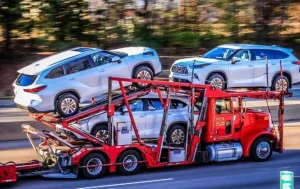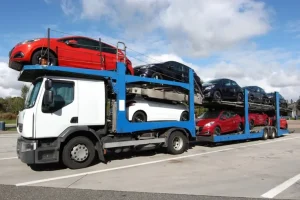

State-to-state auto transport helps individuals and businesses move vehicles across state lines without the need for a long-distance drive. Whether you are relocating, buying a vehicle from another state, or planning a seasonal move, explore convenient interstate vehicle shipping options.

Moving a vehicle from one state to another requires planning, coordination, and a transportation method suited to the distance involved.
Whether you are relocating for employment, moving closer to family, purchasing a vehicle from an out-of-state seller, or arranging transportation for a second home, driving the vehicle yourself is not always the most practical choice.
State-to-state auto transport provides an alternative by allowing your vehicle to travel on a specialized carrier while you focus on other aspects of your move.
Car Alpha Run Shipping helps customers explore interstate vehicle transportation options designed around their shipping needs, vehicle specifications, and destination requirements.
State-to-state auto transport refers to the movement of vehicles between locations in different U.S. states using specialized transportation carriers.
For example, a customer moving from California to Arizona may choose to have a vehicle shipped instead of driving it to the new residence.
Similarly, a buyer purchasing an automobile from a dealership in another state may arrange transportation directly to an agreed delivery location.
Interstate vehicle shipping can involve short regional routes or journeys covering thousands of miles.
Depending on the shipment, customers may choose open transport, enclosed transport, or door-to-door pickup and delivery arrangements.
One of the main advantages of interstate car shipping is the convenience of avoiding a lengthy drive.
Long-distance driving can require fuel expenses, overnight accommodations, meals, and significant personal travel time.
For families managing a relocation, transporting a vehicle separately may make the moving process easier to coordinate.
Shipping a vehicle also prevents additional driving mileage from accumulating during the transportation journey.
This can be particularly useful for leased vehicles, collector automobiles, or vehicles that owners prefer not to drive over long distances.
Interstate transportation may also help customers who are unable to make the journey personally because of scheduling limitations or other commitments.
Although shipping costs vary, comparing transportation expenses with the cost and time required for a long drive can help customers decide which option makes the most sense.
Customers request state-to-state vehicle transportation for many different reasons.
Job relocations are a common example. When moving to a new state, coordinating household belongings, travel arrangements, and vehicle transportation can be challenging.
College students may also require vehicle shipping when attending school far from home.
Seasonal residents sometimes transport vehicles between primary and secondary residences rather than completing the drive themselves.
Another common situation involves online vehicle purchases. Buyers who find a suitable car in another state may prefer to arrange professional transportation instead of traveling to collect it.
Businesses may also require interstate shipping when transferring vehicles between offices, dealerships, or other locations.
The process begins with a shipping quote request.
Customers provide their vehicle details, pickup state, destination state, specific addresses, preferred dates, and transportation preferences.
These details help determine the route and suitable carrier options.
Once the transportation arrangements are reviewed and confirmed, the vehicle is prepared for pickup.
Before collection, remove unsecured belongings, document the vehicle’s condition, and follow the carrier’s preparation requirements.
The driver typically conducts an inspection and records the vehicle’s condition before loading.
The vehicle then travels along the assigned transportation route toward its destination.
Because interstate shipments may cover considerable distances, estimated delivery times can be affected by traffic, weather, road closures, mandatory driver rest periods, and other operational conditions.
Upon arrival, the vehicle is unloaded and inspected, and the delivery documentation is completed.
Choosing the appropriate trailer is an important part of planning an interstate shipment.
Open car transport is commonly selected for everyday vehicles because it is generally more economical.
It is often suitable for sedans, SUVs, pickup trucks, and other standard passenger automobiles.
Enclosed car transport provides additional protection from weather and road exposure.
This option may be preferred for luxury vehicles, rare automobiles, classic cars, or vehicles with specialized finishes.
Both options can be considered for long-distance transportation, subject to route availability and vehicle compatibility.
Interstate shipping times vary depending on the distance between the pickup and delivery locations.
A shipment between neighboring states may require less transit time than a coast-to-coast journey.
However, mileage alone does not determine the schedule.
Carrier availability, pickup arrangements, route planning, weather conditions, and delivery accessibility all play a role.
Customers should distinguish between the estimated pickup window and the estimated time spent in transit.
When planning a relocation or vehicle purchase, allowing some scheduling flexibility can help accommodate unexpected delays.
Transportation distance is a major factor in state-to-state shipping costs, but pricing also depends on vehicle dimensions, operating condition, and the selected shipping method.
Seasonal demand can influence prices, particularly during periods when large numbers of customers relocate or transport vehicles between regions.
Routes with consistent carrier activity may have different pricing characteristics from less frequently traveled destinations.
Pickup and delivery accessibility, fuel costs, and schedule flexibility can also affect the quote.
Providing accurate shipment information helps create a more useful pricing estimate.
Before pickup, inspect your vehicle and document its current condition with photographs.
Remove personal belongings and unsecured accessories unless the carrier explicitly permits them.
Make sure the vehicle is accessible for loading and inform the transportation provider about mechanical problems or special handling needs.
Keep important documentation available and confirm the contact information for both pickup and delivery.
If someone else will release or receive the vehicle, coordinate that person’s availability and authorization in advance.
Car Alpha Run Shipping helps customers explore vehicle transportation options for routes across state lines, subject to service availability.
From California-based relocations to long-distance vehicle purchases, our goal is to help make the shipping process easier to navigate.
Call (424) 400-5254 or submit an online inquiry to request information about your state-to-state auto transport needs.
Find answers to some common questions about car shipping and vehicle transportation.
Car shipping costs depend on the distance, vehicle size, transport method, pickup and delivery locations, season, and carrier availability. Request a personalized quote for pricing based on your shipment.
Transit times vary by route, mileage, weather, traffic, and scheduling. Shorter routes may take a few days, while longer interstate routes may take a week or more. Pickup scheduling can add additional time.
Open transport uses a carrier exposed to outdoor conditions and is commonly more affordable. Enclosed transport places vehicles inside a covered trailer for additional protection from weather and road debris.
Door-to-door transport aims to provide pickup and delivery at your requested addresses. If narrow roads, local restrictions, or safety concerns prevent carrier access, a nearby suitable meeting location may be arranged.
Remove personal belongings, clean the vehicle for inspection, document its condition, check for leaks, and follow the carrier's instructions regarding fuel level, keys, alarms, and accessories.