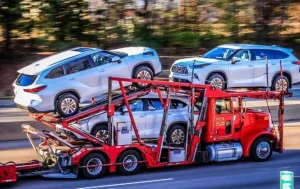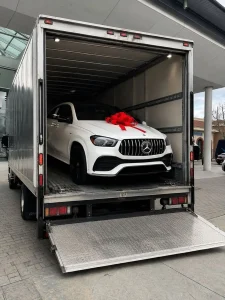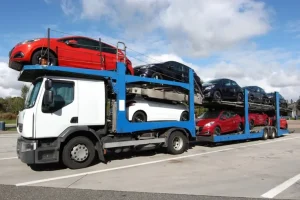

Enclosed car transport offers an additional layer of protection for luxury, classic, exotic, collectible, and specialty vehicles. By transporting vehicles inside a covered trailer, this service reduces exposure to weather, dust, and road debris throughout the shipping journey.
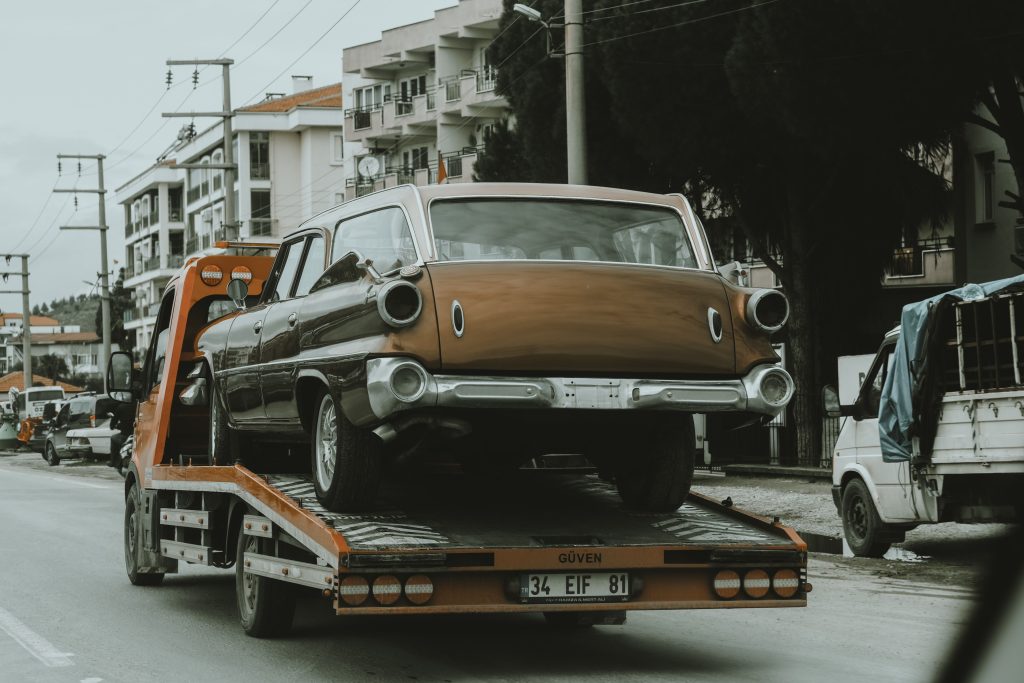
Some vehicles require more specialized transportation arrangements than others. Whether you own a restored classic car, a luxury sports vehicle, an exotic automobile, or a carefully maintained collectible, choosing the right shipping method is an important part of protecting your investment.
Car Alpha Run Shipping helps customers explore enclosed car transport solutions designed for vehicles that benefit from additional protection during transportation.
Our approach emphasizes helping vehicle owners understand the available shipping methods, preparation requirements, and considerations involved in moving specialty automobiles.
Enclosed car transport is a vehicle shipping method in which automobiles are loaded into a covered trailer rather than carried on an exposed, open-air platform.
The trailer’s enclosed structure helps shield vehicles from rain, dust, road debris, and other environmental conditions encountered during transit.
Enclosed transportation is particularly popular among owners of vehicles with high financial, historical, or sentimental value.
Depending on the carrier and trailer configuration, enclosed transportation may also offer specialized loading arrangements for vehicles with low ground clearance or unusual dimensions.
Not all enclosed carriers have identical equipment, so customers should confirm any specific loading or handling requirements before booking.
The primary advantage of enclosed car transport is additional protection from external conditions.
During long-distance transportation, vehicles may encounter rain, wind, dirt, and highway debris. An enclosed trailer creates a physical barrier that reduces direct exposure to these elements.
For collectors and enthusiasts, this added protection can be particularly valuable when transporting vehicles with custom paintwork, rare finishes, or carefully preserved exterior details.
Enclosed shipping may also provide greater privacy because the vehicle is not openly displayed throughout the journey.
Another consideration is vehicle-specific handling. Certain enclosed carriers are equipped to transport low-clearance automobiles, although the suitability of the equipment must be confirmed for each shipment.
While enclosed transportation cannot eliminate every transportation risk, it provides a higher level of environmental protection than standard open-air shipping.
Enclosed transportation is frequently considered for luxury vehicles, exotic sports cars, vintage automobiles, restored classics, collectible models, and show cars.
Owners of custom-built vehicles may also prefer enclosed shipping when transporting automobiles with specialized bodywork, aftermarket modifications, or delicate exterior components.
In addition, enclosed transportation can be useful for vehicles being delivered to exhibitions, auctions, private collections, and automotive events.
However, enclosed shipping is not limited to expensive cars. Any customer who prefers additional protection can explore this transportation method, provided the vehicle is compatible with the available equipment.
The process begins with a transportation request. Customers provide vehicle details, pickup and delivery locations, preferred dates, and any special requirements.
For specialty vehicles, accurate information about ground clearance, vehicle dimensions, modifications, and operating condition is especially important.
These details help determine whether standard enclosed loading equipment is suitable or whether specialized arrangements may be necessary.
After transportation arrangements are confirmed, the vehicle should be prepared for pickup.
Before loading, clean the vehicle, photograph its condition, remove unsecured items, and document any existing marks or damage.
The driver typically completes a condition inspection before loading the automobile into the trailer.
During transportation, the enclosed structure provides a barrier against many environmental conditions. However, travel schedules remain subject to factors such as weather, road closures, traffic, and carrier availability.
Upon delivery, inspect the vehicle carefully and compare its condition with the pickup inspection record.
Both open and enclosed transportation are established methods of shipping vehicles, but they serve different priorities.
Open car transport is generally more affordable and widely used for everyday automobiles.
Enclosed car transport typically costs more because enclosed carriers often accommodate fewer vehicles and may involve specialized equipment or handling.
For owners of standard passenger vehicles, open shipping may provide the best balance between cost and convenience.
For owners of rare, high-value, or customized vehicles, enclosed transportation may justify the additional expense.
The best choice depends on the vehicle’s characteristics, your transportation budget, and the level of protection you prefer.
Enclosed car shipping prices vary depending on distance, vehicle dimensions, route demand, pickup location, delivery destination, and carrier availability.
Special loading requirements, low ground clearance, vehicle condition, and limited scheduling flexibility may also affect the quote.
Because enclosed transportation capacity can be more limited than open carrier capacity, requesting a quote early may help customers explore a broader range of scheduling options.
Before confirming a shipment, review the service terms, transportation details, and applicable cargo coverage information.
Car Alpha Run Shipping helps customers consider enclosed transportation for vehicles requiring additional attention to shipping conditions.
Whether you are arranging delivery of a recently purchased luxury automobile, transporting a classic car, or moving a specialty vehicle between states, understanding your options is the first step.
Call (424) 400-5254 or contact us online to discuss your enclosed car shipping needs.
Find answers to some common questions about car shipping and vehicle transportation.
Car shipping costs depend on the distance, vehicle size, transport method, pickup and delivery locations, season, and carrier availability. Request a personalized quote for pricing based on your shipment.
Transit times vary by route, mileage, weather, traffic, and scheduling. Shorter routes may take a few days, while longer interstate routes may take a week or more. Pickup scheduling can add additional time.
Open transport uses a carrier exposed to outdoor conditions and is commonly more affordable. Enclosed transport places vehicles inside a covered trailer for additional protection from weather and road debris.
Door-to-door transport aims to provide pickup and delivery at your requested addresses. If narrow roads, local restrictions, or safety concerns prevent carrier access, a nearby suitable meeting location may be arranged.
Remove personal belongings, clean the vehicle for inspection, document its condition, check for leaks, and follow the carrier's instructions regarding fuel level, keys, alarms, and accessories.