
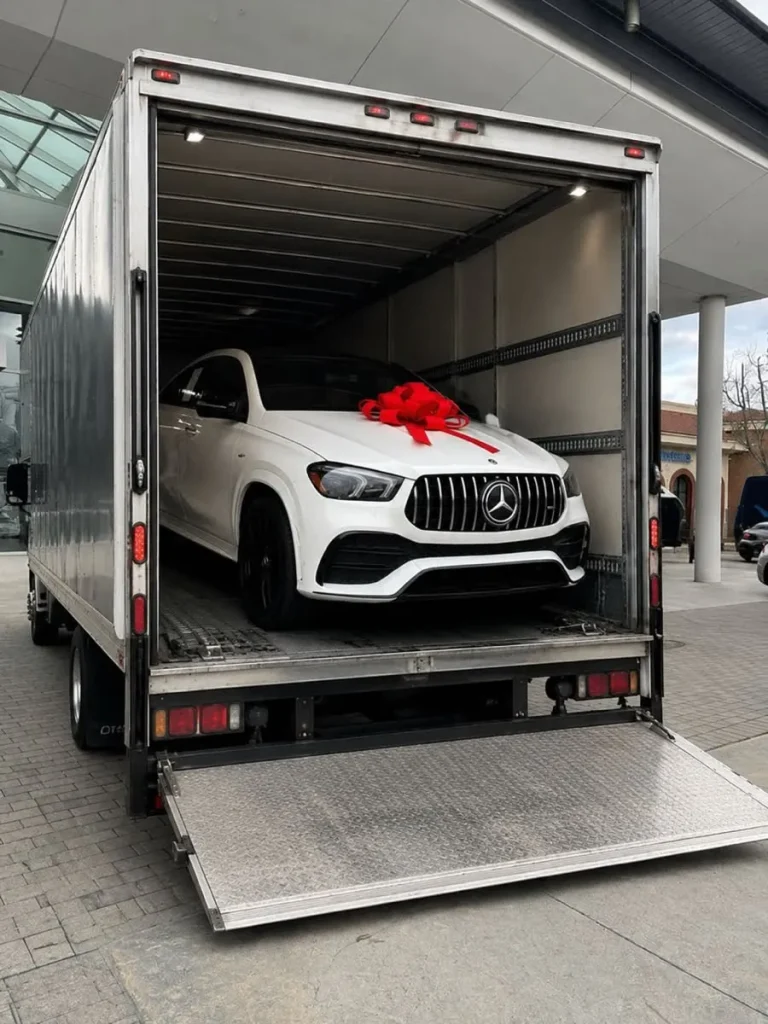
How Much Does It Cost to Ship a Car in 2026? A Complete Guide
If you are planning to transport your vehicle to another city or state, one of your first questions is probably: How much does it cost to ship a car?
The answer depends on several factors, including the transportation distance, type of vehicle, carrier selection, pickup location, and shipping schedule.
Understanding these factors can help you compare quotes and select the right transportation option.
1. Shipping Distance
Distance is one of the most important factors in vehicle transportation pricing.
Long-distance shipments generally have a higher total cost than short-distance shipments because they involve additional travel time, fuel, and operational expenses.
However, the cost per mile may decrease on longer routes because some fixed expenses can be distributed across a greater distance.
For example, shipping a vehicle between two nearby California cities may involve different pricing considerations than transporting it from California to Florida.
2. Open vs. Enclosed Transport
Your chosen transportation method also affects the price.
Open car transport is generally the more economical option because open carriers can accommodate multiple vehicles.
Enclosed car transport typically costs more because it provides additional protection from weather and road exposure and often involves lower vehicle capacity.
For everyday sedans and SUVs, open transport is frequently a practical choice.
For luxury, exotic, classic, or collectible automobiles, enclosed transportation may be worth the additional expense.
3. Vehicle Size and Weight
Larger vehicles may cost more to transport than compact cars.
SUVs, pickup trucks, and oversized vehicles can occupy more carrier space and may require different loading arrangements.
Vehicle weight can also affect carrier capacity.
When requesting a quote, provide the correct year, make, model, and information about any modifications.
4. Pickup and Delivery Locations
Transportation routes influence pricing.
Major metropolitan areas and established shipping corridors may offer more carrier options than remote destinations.
A rural pickup location may require additional travel for the carrier.
Similarly, locations with narrow streets, steep access roads, or restricted truck access may require alternative pickup arrangements.
5. Seasonal Demand
Auto transport prices can change throughout the year.
Demand may increase during busy relocation periods, seasonal moves, and holidays.
Carrier availability, weather, and route conditions may also influence pricing.
Customers with flexible shipping dates may have more opportunities to compare transportation arrangements.
6. Vehicle Operating Condition
A vehicle that can be safely driven onto a trailer is generally easier to load than one that cannot operate.
Non-running vehicles may require specialized equipment or additional handling.
Always disclose mechanical issues before booking so the transportation provider can determine whether suitable equipment is available.
How to Get an Accurate Car Shipping Quote
The most useful way to estimate transportation costs is to request a personalized quote based on your shipment.
Provide the vehicle specifications, pickup and delivery addresses, preferred dates, and transport type.
Before accepting an offer, confirm what the price includes, whether it may change, the cancellation terms, and the applicable cargo coverage.
Final Thoughts
Car shipping prices are influenced by much more than mileage. Vehicle size, trailer type, route accessibility, and seasonal demand can all affect your final quote.
Car Alpha Run Shipping helps customers explore open, enclosed, door-to-door, and state-to-state auto transport options.